
Blogging about new technologies, we have the chance of glimpsing a lot of “possible futures” through the new gadgets and inventions we discover everyday. But in some way this is a fragmented vision, pieces of an uncertain world to come. Not many people dare to describe “possible futures” as a whole, with a proper sense. And less people even dare to point out the things that, presenting themselves as “The Future”, are not more than the last funny gadget of the season… Bruce Sterling is really an exception: sci-fi writer, lecturer, blogger, contributor to relevant media as Wired (his farsighted Beyond the Beyond posts were memorable), professor and “visionary in residence”, he is most of all an extremely discerning wise man, capable of understanding the lights and shadows of the future where we are heading towards. When we had the chance of interviewing him, he completely captivated us, not just for the lucidity of his ideas, but for the intensity of his speech, and the profound, naked truth of his vision of technology, humanity and the future.
P.N. You said that we should design futures… but how to see these new futures? Actually, you are an expert on that…
B.S. An expert? Well, sort of. Usually I do two things: I write fiction and I research what’s going on. So the two kind of play one with another, to try to find the grain up the material what seems to be happening. Then you kind of exaggerate it and take the ranges that seems that might go. So, commonly I like to write fiction about an specific scenario, but when I’m thinking about things I usually split them up in the future as quandrums because I think it helps quite a lot. So, let’s say you are worried about high-speed access and privacy, you just have four future worlds: one that has low speed access and low privacy; low speed access but high privacy; high speed access and high privacy; or high speed access but no privacy. And then you can break up the people who would like to be at one quandrum or the other, and the situations where it’s going to happen: sometimes it enables you to figure out where and what scenario would be set.
P.N. So in some way it is all about context: there is not a single setting to place an specific idea, but several problems in different contexts that lead to different possible stories.
B.S. You get brought down in the sort of large abstract issues… It is like where’s the actual harm on that there’s not privacy. If you actually ask who has no privacy you get a kind of a better situation, a better hand on the situation. For instance, a baby can die from privacy. Babies really have to be watched all the time: they are naked, they don’t go to the toilet, they scream all the time… It’s not like “let them have their dignity”, because you know they are not autonomous actors. A baby can’t speak, can’t make adult decisions, he needs to be under surveillance, he needs an adult literally within arms reach. And elderly people don’t need privacy either, they need dignity but they don’t really need privacy, because they could fall over, they can hurt themselves, they need help under certain situations, maybe they need that someone bring them food, they feel isolated because they have lost a lot of their friends, or don’t get out very much… Ok, so they want to be seen, and maybe even looked at, but what they don’t want is to be spied upon or marked.
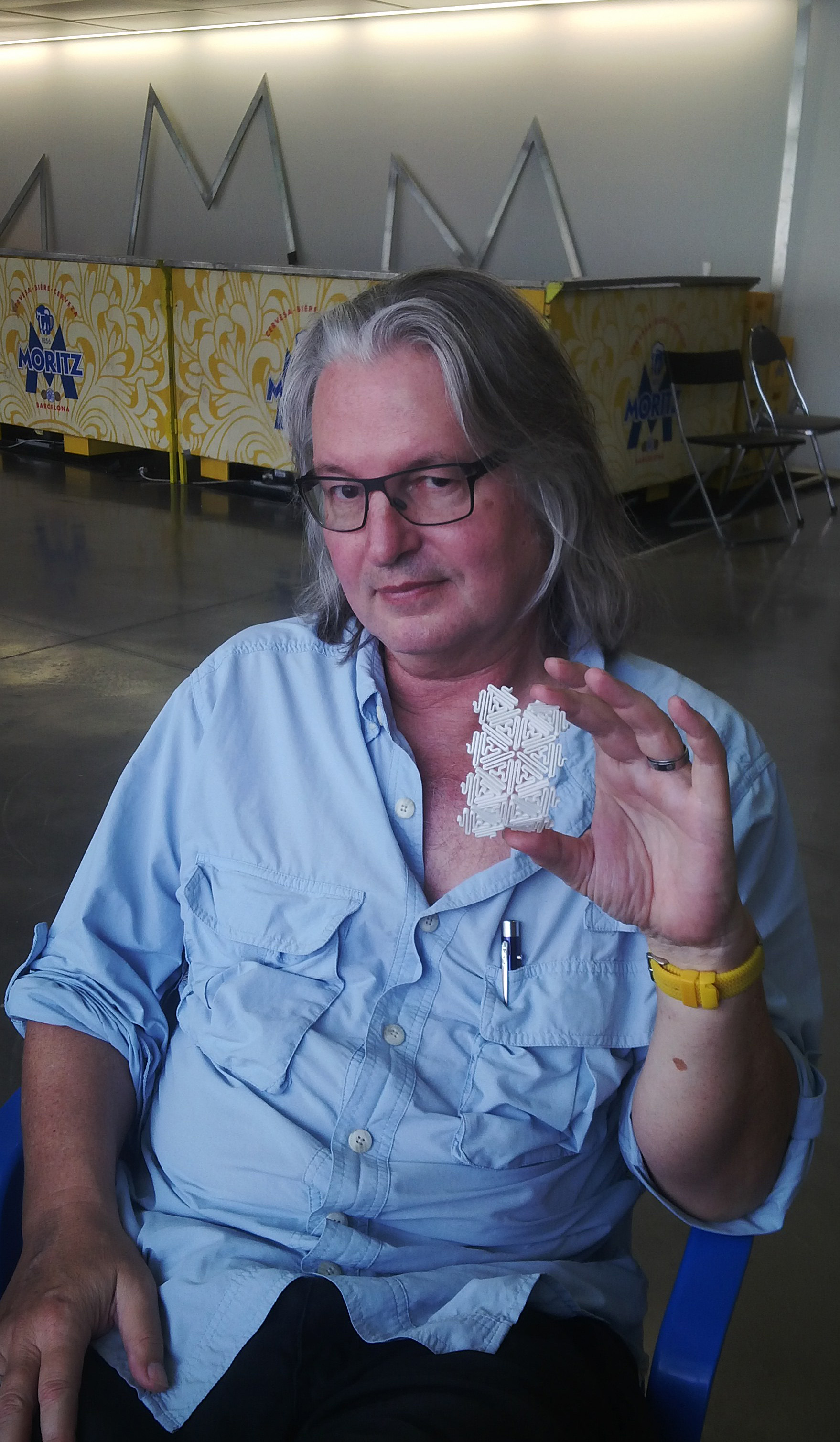
Continue reading ““You can only live in the future”: an Interview with Bruce Sterling”

 Postdigital Node